
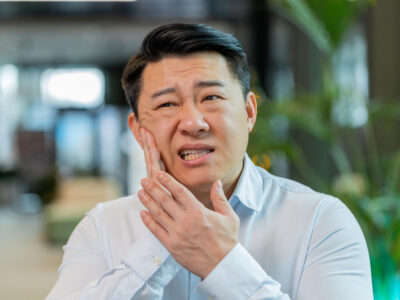
Cold weather can do more than give you chapped lips and a runny nose. For many people around Plainview, the shift into winter brings along something much harder to ignore—sharp, lingering tooth pain. The air gets colder, the heaters come on, and suddenly your teeth don’t feel quite right. If your teeth ache or feel sensitive in December, you’re not alone. Winter can be tough on your mouth for several reasons.
The sudden temperature changes between warm indoor spaces and freezing outdoor air play a big role. But it’s not just the weather. Holiday stress, hot drinks, dry heating systems, and even forgotten dental checkups can make small tooth issues feel much worse. For some, it’s nerve sensitivity. For others, it’s sinus pressure. Either way, if you’re searching for dental pain relief in Plainview during this time of year, understanding what’s behind your pain can help you act before it gets worse.
Why Cold Weather Makes Teeth More Sensitive
Think about what happens when you sip a hot drink outside, then step into the wind. That swing in temperature doesn’t just hit your skin—it affects your teeth, too. Cold air passes through small cracks, worn enamel, or exposed roots, reaching deep inside the tooth. Teeth naturally expand a little with warmth and contract in the cold. Over time, this small movement can wear on the tooth’s structure, especially if there’s already damage.
When enamel thins out or gums pull back, the sensitive layer under the enamel—the dentin—gets exposed. This is where nerve endings live. If these nerves are already inflamed or irritated, they react strongly to cold and pressure. Winter tends to make this sensitivity flare up more often, even if it was just a mild annoyance in warmer months.
Many patients notice their teeth are trouble-free all year—until a drop in temperature or a gust of wind catches them off guard. It’s often a hint that an underlying issue is starting to show.
The Role of Sinus Pressure and Winter Illnesses
Winter brings more than cold air. It brings closed windows, shared indoor spaces, and all the germs that follow—colds, the flu, and sinus infections get passed around more easily. If your sinuses get congested, especially the ones closest to your upper back teeth, that pressure can push right down onto the roots.
It’s common for this to cause a dull, radiating ache along your upper jaw, sometimes making it seem like you have a toothache when the actual cause is sinus trouble. This pain usually gets worse when you bend over or move your head suddenly, and it can shift sides from day to day.
Still, it’s not always easy to tell the difference between sinus and true dental pain. If tooth sensitivity or soreness stays after your sinus infection clears—or if it grows worse with biting or chewing—it might be more than just congestion. Being aware of how your symptoms change can help you decide when dental pain relief in Plainview should be your next step.
Dry Air and Dehydration: What Winter Heating Does to Your Mouth
From late fall through winter, most homes in Plainview rely on central heat to stay comfortable. Unfortunately, that comfort comes at a cost. Heated air is often extremely dry, pulling moisture from your mouth and leaving you more likely to wake up with dry, sticky teeth.
Saliva does a lot besides help with eating and talking. It protects your teeth by washing away plaque and acid. But when your mouth dries out, there’s less protection—which means acids and bacteria can stick around longer, leading to more irritation or even decay.
Dehydration is common, too, as people tend to sip less water when it’s cold outside. Whether it’s from heaters or not staying hydrated, less moisture means less natural defense against tooth sensitivity. Some patients also notice they breathe through their mouths at night when the air is dry, making these problems worse by morning.
Winter Lifestyle Habits That Can Trigger Tooth Pain
With the cold comes a new set of habits—and some aren’t friendly to your teeth. Hot drinks like cocoa and coffee offer comfort, but that sudden heat on sensitive teeth can lead to a shooting pain, especially if the enamel has worn thin.
Clenching and grinding become more common as people tense up to stay warm or stress over seasonal demands. Jaw muscles get tight, and the pressure can radiate to your teeth, making them sore without any visible damage.
Holiday schedules bring travel, more sweets, and sometimes a missed dental checkup. Skipping care can let small problems snowball into bigger ones. If you find yourself in need of dental pain relief in Plainview over the holidays, chances are winter habits played a part.
When to See a Specialist About Ongoing Tooth Pain
Not all winter toothaches go away with the weather. If you have pain that lingers past a few days, feels sharp or deep, or gets worse when you bite or chew, it could be a sign of something more serious—a hidden crack, a deeper infection, or a nerve in distress.
When pain sticks around after a sinus infection clears, or if sensitivity is getting worse instead of better, it’s smart to get an expert opinion. Waiting for spring in hopes the pain resolves usually allows problems to grow. Look for these red flags:
– Pain that wakes you up, even after the cold is gone
– Swelling, redness, or a pimple near the gumline
– Sensitivity to hot, cold, or sweets that lasts after you’re done eating
Early help means a better chance of keeping problems minor and avoiding major dental work down the line.
Getting Ahead of the Pain Before Winter Gets Worse
Winter brings plenty of reasons for teeth to feel more sensitive, from chilly winds and dry air to stressful routines and holiday changes. Knowing how these factors interact in Plainview can help you spot when pain is seasonal—and when it signals something more.
Staying on top of hydration, paying attention to sudden aches, and seeking dental pain relief in Plainview when pain doesn’t fade can make all the difference. That way, you can enjoy winter without letting tooth pain ruin holiday plans or quiet nights at home.
When winter tooth pain sticks around or starts to return, it’s a sign something deeper might be going on. At Plainview Endodontics, we help patients understand what’s causing the discomfort and how to treat it before it turns into a bigger issue. Knowing when to explore long-term dental pain relief in Plainview starts with listening to your body and taking that next step when something just doesn’t feel right.

 How Endodontic Treatment Can Save Your Tooth